
Introduction Living in Space Becomes Reality
By 2026, NASA is not just sending astronauts into space — it’s building homes for humans beyond Earth.
The idea of living on the Moon or Mars was once science fiction, but with NASA’s Space Habitat Technology, it’s turning into reality.
These habitats are more than shelters; they’re mini Earths designed to keep humans safe, comfortable, and alive in the most extreme environments imaginable. From inflatable moon bases to self-sustaining Mars domes, NASA’s innovations are shaping the future of space living.
What Is NASA’s Space Habitat Technology?
NASA’s Space Habitat Technology refers to advanced living modules designed for long-term missions on the Moon, Mars, and beyond.
These structures combine engineering, AI, robotics, and life-support systems to create safe, livable environments far from Earth.
In simple words — they’re space homes, capable of protecting astronauts from radiation, micrometeoroids, extreme temperatures, and isolation.
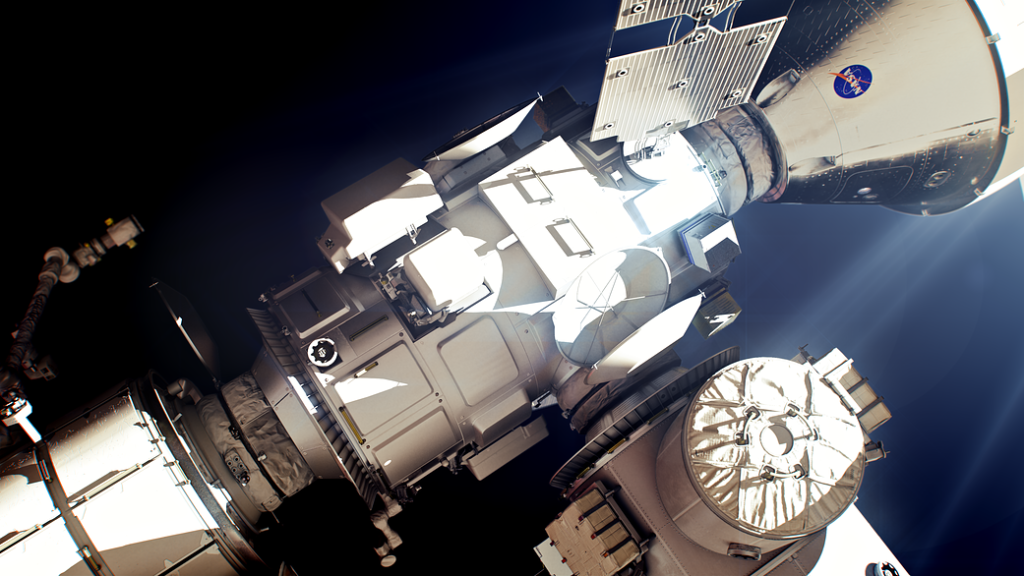
NASA’s engineers are using the lessons learned from the International Space Station (ISS) to create habitats that are stronger, smarter, and more sustainable.
The Key Features of NASA’s 2026 Space Habitats
Inflatable Living Modules
NASA’s inflatable habitats are lightweight structures that can expand in space.
They’re compact during launch and then inflate to full size once deployed, providing astronauts with large, comfortable living areas.
The Bigelow Expandable Activity Module (BEAM) has already proven that this idea works — and by 2026, NASA’s upgraded versions will be even stronger and smarter.
Radiation Shielding Technology
One of the biggest threats in space is radiation.
NASA is using a mix of water walls, regolith (moon soil), and polyethylene layers to block harmful cosmic rays.
Some habitats will even be built partly underground, using lunar or Martian soil as natural protection.
Smart Life-Support Systems
NASA’s 2026 habitats will include AI-controlled life-support systems that manage oxygen, water, and temperature automatically.
These systems recycle 98% of air and water, making the habitat nearly self-sufficient.
They can also detect malfunctions and fix them autonomously using robotic tools.
Modular Design for Expansion
Each habitat is built in modules, meaning more rooms or labs can be added over time — just like LEGO pieces in space.
This modularity allows NASA to expand small lunar outposts into full moon bases and eventually, Mars colonies.
Gravity Simulation
Scientists are exploring rotational designs to create partial gravity inside habitats.
This will help reduce the health risks of long-term weightlessness, keeping astronauts healthier during extended missions.
The Artemis Program: NASA’s Gateway to Space Living
NASA’s Artemis Program plays a key role in testing these technologies.
By 2026, the Artemis III mission aims to establish a sustainable human presence on the Moon — a stepping stone to Mars.
Lunar habitats will be tested near the Moon’s South Pole, where sunlight is abundant and frozen water is available.
NASA’s Lunar Gateway (an orbiting mini-station) will serve as a support hub, connecting astronauts to the lunar surface habitats.
This program will validate NASA’s Space Habitat Technology 2026 before expanding to deep-space missions.
NASA’s Partners in Building Space Homes
NASA is working with several global and commercial partners to speed up innovation:
SpaceX and Blue Origin – building cargo and crew delivery systems.
Lockheed Martin and Northrop Grumman – developing habitat modules and life-support systems.
The European Space Agency (ESA) – contributing habitat materials and AI-powered robotics.
Private companies – designing 3D-printed construction methods for lunar surfaces.
These collaborations ensure that by 2026, space housing technology is both advanced and reliable.
3D Printing: Building Homes from Moon Dust
NASA’s most exciting idea? 3D printing habitats using lunar or Martian soil!
Instead of carrying tons of construction material from Earth, NASA plans to use local resources (in-situ resource utilization).
3D printers can melt and shape regolith (moon dust) into walls and domes.
This approach cuts costs, reduces risk, and creates sturdy, radiation-resistant structures — the perfect recipe for building permanent homes in space.
By 2026, NASA expects its 3D printing technology to be capable of building complete lunar shelters within weeks, not years.
Challenges NASA Faces
Even with advanced technology, space habitats face some serious hurdles:
Extreme Temperatures: Lunar nights can drop to -170°C, while days reach 120°C.
Space Radiation: Protecting against high-energy particles remains complex.
Psychological Factors: Isolation and limited communication can impact astronauts’ mental health.
Maintenance: Systems must work flawlessly for years with minimal repairs.
NASA is addressing these challenges with AI monitoring, robotic maintenance, and psychological support systems for long missions.
SEO-Focused Highlights
Primary Keyword: NASA Space Habitat Technology 2026
Secondary Keywords: space living technology, Artemis lunar base, NASA Moon housing 2026, 3D printed space habitats
Meta Description (SEO-Ready):
Discover NASA’s 2026 Space Habitat Technology — inflatable modules, AI systems, and 3D-printed lunar homes that are redefining life beyond Earth.
Search Intent: Informational + Future Space Tech
Target Audience: Space enthusiasts, students, researchers, and science blogs
The Future From Moon Bases to Mars Cities
By 2026, NASA’s progress in space habitat technology will make the idea of living beyond Earth not just possible, but practical.
The next step? Turning these habitats into self-sustaining colonies — first on the Moon, then on Mars.
With AI-powered systems, 3D printing, and advanced materials, NASA is preparing humanity’s next home — among the stars. 🌌