
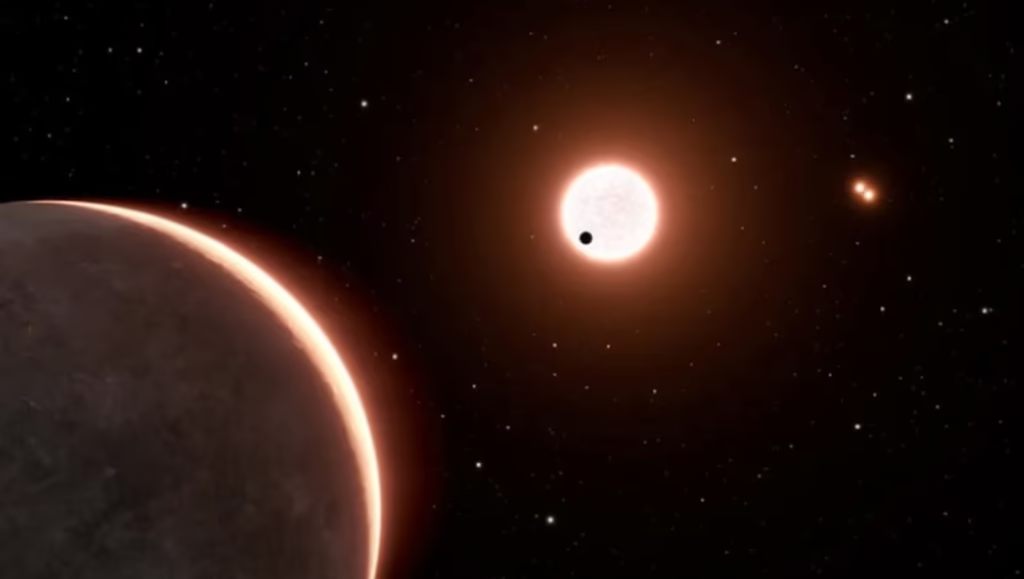
Meta Description
Discover NASA’s groundbreaking exoplanet direct imaging technology set for 2026 — a revolutionary leap in space observation that could reveal new Earth-like worlds beyond our solar system.
Introduction
For decades, scientists have dreamed of capturing clear images of planets orbiting distant stars — not just detecting their shadows or light variations, but seeing them directly. In 2026, NASA is preparing to make that dream a reality with its Exoplanet Direct Imaging Technology (EDIT) initiative.
This advanced system will use next-generation space telescopes and precision optical engineering to photograph exoplanets — worlds beyond our solar system — with an unprecedented level of detail. The year 2026 could mark a major milestone in humanity’s search for life beyond Earth.
What Is Exoplanet Direct Imaging?
Direct imaging is the process of visually capturing light from an exoplanet itself rather than observing indirect clues like star wobbles or dimming (which traditional methods such as radial velocity or transit photometry rely on).
This technique allows astronomers to:
Observe atmospheric composition
Measure surface temperature and brightness
Analyze reflected light spectra for possible biosignatures
The main challenge? Exoplanets are incredibly faint compared to their stars — often a billion times dimmer. That’s where NASA’s 2026 technology steps in.
NASA’s 2026 Breakthrough: Advanced Direct Imaging Tech
NASA’s new imaging systems under development for 2026 missions include a mix of space-based telescopes and specialized optical instruments.
Some of the key projects include:
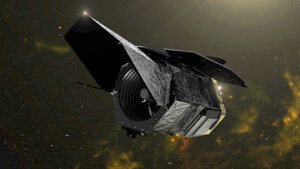
The Nancy Grace Roman Space Telescope (Launch: mid-2026)
The Roman Telescope is one of NASA’s flagship missions for the coming decade. It will feature a Coronagraph Instrument, an ultra-sensitive device designed to block starlight and reveal faint orbiting planets nearby.
This instrument is expected to:
Capture direct images of Jupiter-like exoplanets
Measure light spectra for atmospheric gases like methane, oxygen, and carbon dioxide
Demonstrate high-contrast imaging 1,000 times better than current observatories
Starshade Technology
NASA is also developing an ambitious Starshade — a massive, flower-shaped structure that will fly thousands of kilometers away from a telescope, precisely aligning itself to block starlight.
Together with telescopes like the Roman or future Habitable Worlds Observatory, the Starshade could make it possible to photograph Earth-sized planets around nearby stars — a long-standing dream in astronomy.
How the Technology Works
NASA’s 2026 imaging system combines three key technologies:
🌞 Starlight Suppression:
Using coronagraphs and starshades to reduce the glare from stars, allowing the faint light of exoplanets to emerge.
🔭 High-Precision Optics:
Advanced mirrors and detectors will capture and focus light at extreme contrast ratios, distinguishing exoplanet light from background noise.
💻 AI-Enhanced Data Processing:
Machine learning algorithms will help identify true planetary signals and remove distortions caused by instrument noise or cosmic interference.
This powerful combination enables scientists to observe planetary atmospheres, cloud structures, and even potential oceans — things never before visible from Earth.
Scientific Goals of the 2026 Missions
The 2026 direct imaging technologies are more than just engineering feats — they’re tools for answering profound scientific questions:
🌍 Are there Earth-like planets nearby?
Scientists aim to identify rocky planets within the habitable zones of Sun-like stars.
🌬️ What are their atmospheres made of?
By studying reflected light spectra, researchers can detect gases like water vapor, oxygen, and carbon dioxide — potential signs of habitability.
🧬 Could there be life?
Direct imaging offers the best chance to identify biosignatures — chemical indicators that life may exist beyond Earth.
Why 2026 Is a Landmark Year for NASA
The year 2026 is special because it represents the transition from detecting exoplanets to exploring them visually.
In the 1990s, astronomers discovered the first exoplanet orbiting another star. By the 2020s, thousands have been catalogued using indirect methods. Now, NASA’s 2026 initiative aims to go beyond statistics — offering real images of alien worlds.
This leap will reshape our understanding of:
Planet formation and system diversity
Atmospheric evolution across galaxies
The potential for life beyond our solar system
Challenges and Innovations
Despite rapid progress, direct imaging remains extremely challenging. NASA engineers must overcome:
The intense brightness contrast between stars and their planets
The need for nanometer-level alignment precision between the telescope and starshade
Thermal and mechanical stability in space environments
However, new materials, AI control systems, and cryogenic optical technologies are making the impossible possible.
Beyond 2026: The Future of Exoplanet Imaging
NASA’s long-term vision extends far beyond 2026. The agency’s upcoming Habitable Worlds Observatory (HWO) — expected in the 2030s — will build on the Roman Telescope’s legacy, combining powerful coronagraphs, adaptive optics, and AI systems to image potentially habitable Earth analogs.
By mid-century, we could be witnessing high-resolution color images of alien worlds — with oceans, clouds, and continents — marking a new era in humanity’s exploration of the cosmos.
Conclusion
NASA’s Exoplanet Direct Imaging Tech 2026 marks the dawn of a new space age — one where we no longer just infer the existence of distant worlds, but see them in detail. With the launch of the Roman Space Telescope and future Starshade missions, astronomers will peer into the cosmic neighborhood with eyes sharper than ever before.
Each new image brings us closer to answering the most profound question of all: Are we alone in the universe? 🌌