
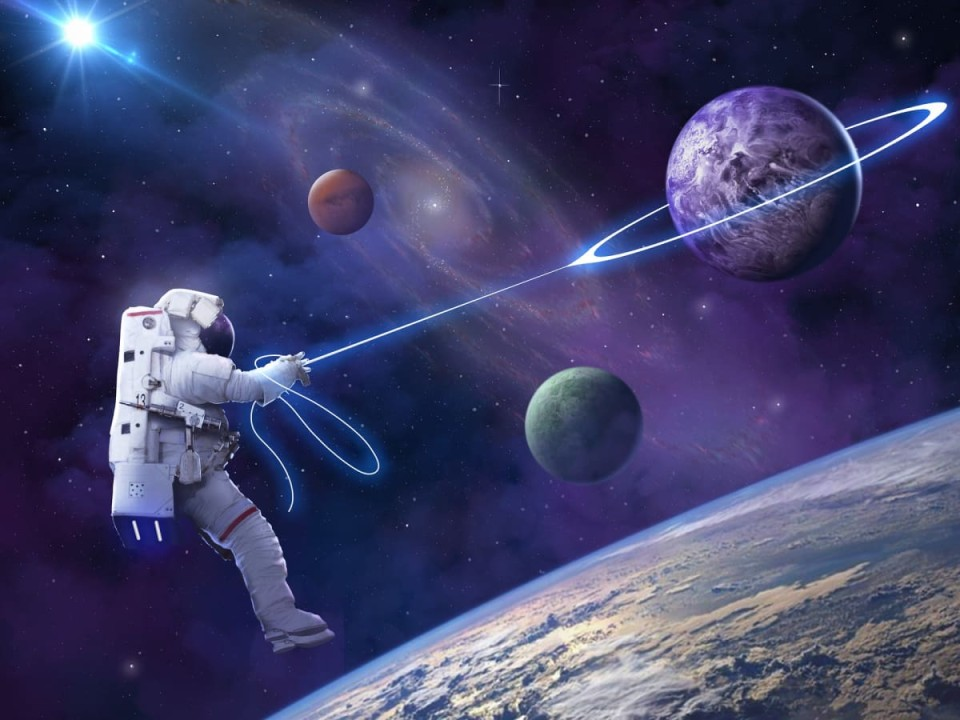
Since the dawn of human curiosity, the night sky has captivated our imagination. Stars, planets, and distant galaxies have inspired myths, science, and exploration. Today, advancements in technology have allowed humanity to go beyond Earth, sending spacecraft to the Moon, Mars, and even interstellar space. The study of space is no longer limited to scientists; it is becoming accessible to private companies, students, and enthusiasts alike.
This article explores the universe beyond Earth, the technology enabling space exploration, and the exciting possibilities the future holds.
The Wonders of the Universe
The universe is vast, containing billions of galaxies, each with billions of stars. Our own galaxy, the Milky Way, is just one among many. Beyond it lies the Andromeda Galaxy, black holes, nebulae, and countless mysterious phenomena.
Space exploration allows humans to understand fundamental questions:
- How did the universe begin?
- Are we alone in the cosmos?
- How do celestial bodies like stars and planets form?
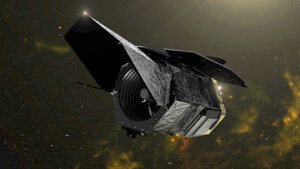
Telescopes like the Hubble Space Telescope and the new James Webb Space Telescope have revealed breathtaking images of distant galaxies, star nurseries, and exoplanets that may harbor life. Every discovery expands our understanding of the universe and our place within it.
Human Space Exploration
Human space exploration began in 1961 when Yuri Gagarin became the first human to orbit Earth. Since then, astronauts have walked on the Moon, lived aboard space stations, and conducted experiments in microgravity.
The International Space Station (ISS) serves as a laboratory in space, where scientists study the effects of long-term space travel on the human body, test new technologies, and observe Earth from orbit. Research conducted in space is crucial for preparing humans for future missions to the Moon, Mars, and beyond.
In recent years, private companies like SpaceX, Blue Origin, and Virgin Galactic have entered space exploration, opening the possibility of commercial space travel. Soon, space tourism could allow civilians to experience microgravity and orbit the Earth, making space more accessible than ever before.
Robotic Missions: Probing Distant Worlds
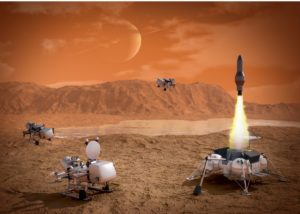
Robotic spacecraft have revolutionized space exploration, traveling to places too distant or dangerous for humans. Mars rovers such as Perseverance and Curiosity analyze soil, search for signs of ancient life, and test technologies for future human missions.
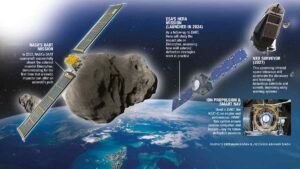
Beyond Mars, spacecraft like Voyager 1 and 2 have left the solar system, providing humanity’s first glimpse of interstellar space. Satellites monitor Earth’s climate, track asteroids, and help in navigation, communication, and scientific research.
Robotic missions are also crucial for studying comets, asteroids, and moons, which could hold clues to the origins of the solar system or contain resources for future space settlements.
The Search for Extraterrestrial Life
One of the most intriguing questions in space exploration is whether life exists beyond Earth. Scientists search for life by studying planets and moons with conditions similar to our own.
Exoplanets—planets orbiting other stars—are of particular interest. Some lie within the habitable zone, where liquid water could exist. Instruments like the Kepler Space Telescope have identified thousands of exoplanets, raising the possibility of discovering extraterrestrial life in the near future.
Even within our solar system, moons such as Europa (orbiting Jupiter) and Enceladus (orbiting Saturn) may have subsurface oceans capable of supporting microbial life. Missions to these moons are being planned to study their potential for habitability.
Space Technology: Building the Future
Modern space exploration relies on cutting-edge technology. Rockets like SpaceX’s Starship aim to transport humans to Mars, while satellites provide global communication, navigation, and weather monitoring.
Other exciting technologies include:
- Space habitats: Designs for self-sustaining colonies on the Moon or Mars.
- Propulsion systems: Advanced engines like ion drives and nuclear thermal propulsion that could shorten travel time to distant planets.
- AI and robotics: Autonomous systems that explore hazardous environments and assist astronauts.
Technology in space also inspires innovations on Earth. Satellite imaging improves agriculture, disaster response, and environmental monitoring, showing that space exploration benefits life on our home planet as well.
The Future of Space Exploration
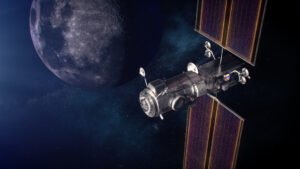
The future of space exploration is limitless. Planned missions include returning humans to the Moon through NASA’s Artemis program, sending astronauts to Mars, and exploring distant asteroids and moons for resources.
Long-term visions even include interstellar travel, where humanity could send probes to nearby star systems. Scientists are exploring concepts like generation ships, warp drives, and light sail propulsion, which may one day make interstellar exploration feasible.
Space exploration also raises philosophical and practical questions: How will humans adapt to life on other planets? How will we protect extraterrestrial ecosystems? And how can space exploration be conducted sustainably? These challenges require careful planning, international cooperation, and ethical consideration.
The Role of Space in Everyday Life
Even if we don’t travel to space, it affects our daily lives in many ways. Satellites provide GPS navigation, satellite TV, internet connectivity, and weather forecasts. Space research contributes to medical technology, materials science, and energy solutions.
Additionally, space inspires art, culture, and education. The possibility of reaching new worlds fuels curiosity, innovation, and imagination, reminding humanity of the infinite possibilities beyond our planet.
Conclusion: Beyond the Horizon
Exploring space is humanity’s ultimate adventure. It pushes the limits of science, technology, and imagination. From robotic probes to human missions, from searching for alien life to building sustainable space colonies, the journey into the cosmos is both thrilling and transformative.
As technology advances, the dream of reaching distant stars, exploring alien worlds, and understanding the mysteries of the universe becomes more achievable. Space is more than a destination—it is a mirror reflecting humanity’s curiosity, resilience, and ambition. The future is not just about looking up at the stars; it is about reaching them, one discovery at a time.
Space exploration reminds us that in the vast universe, there is always more to learn, more to discover, and more to dream about. Humanity’s journey to the stars has just begun, and the possibilities are limitless.